Insights & Updates
Threat research, regulatory analysis, and field notes from XYBERU engagements — written for CISOs, DPOs, and the teams who report to them. No marketing.
DPDP Consent Managers: What Changes on 13 November 2026
Rule 4 of the DPDP Rules takes effect in November 2026. What Consent Managers are, who must register, and what data fiduciaries should do before May 2027.
CERT-In 6-Hour Incident Reporting: A Practical Compliance Guide
What CERT-In's 2022 Directions require — 6-hour reporting, 180-day log retention in India, NIC/NPL time sync, a named point of contact — and how to operationalize them.
Understanding DPDP Act Data Fiduciary Obligations: A Practical Guide for Indian Organizations
How to structure consent management, data minimization programs, and grievance redressal under the DPDP Act 2023.
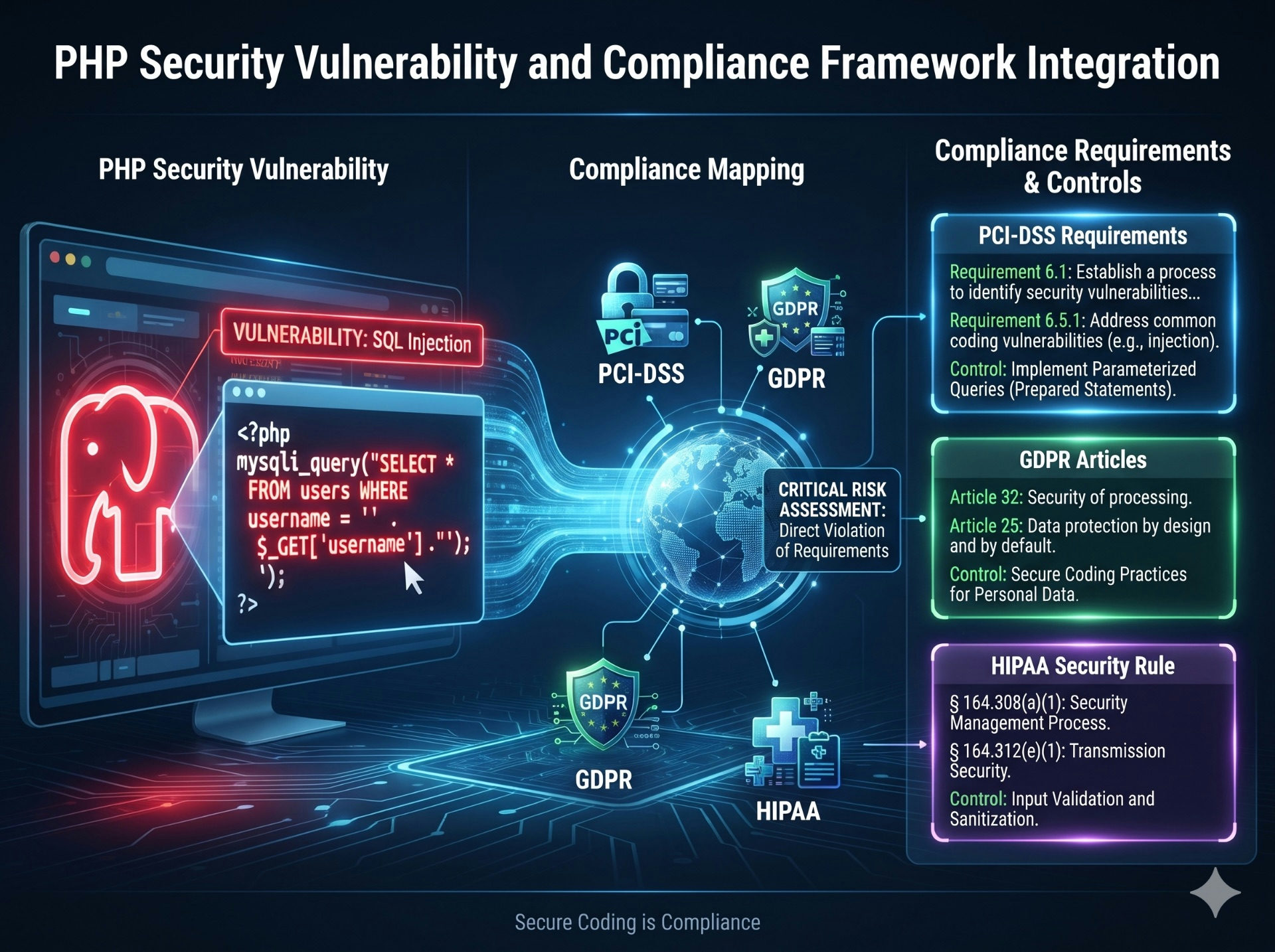
PHP Security Vulnerability How to connect with Governance

PHP Security Alert: New RCE Vulnerability Raises Fresh Concerns for Web Application Security - Part 2
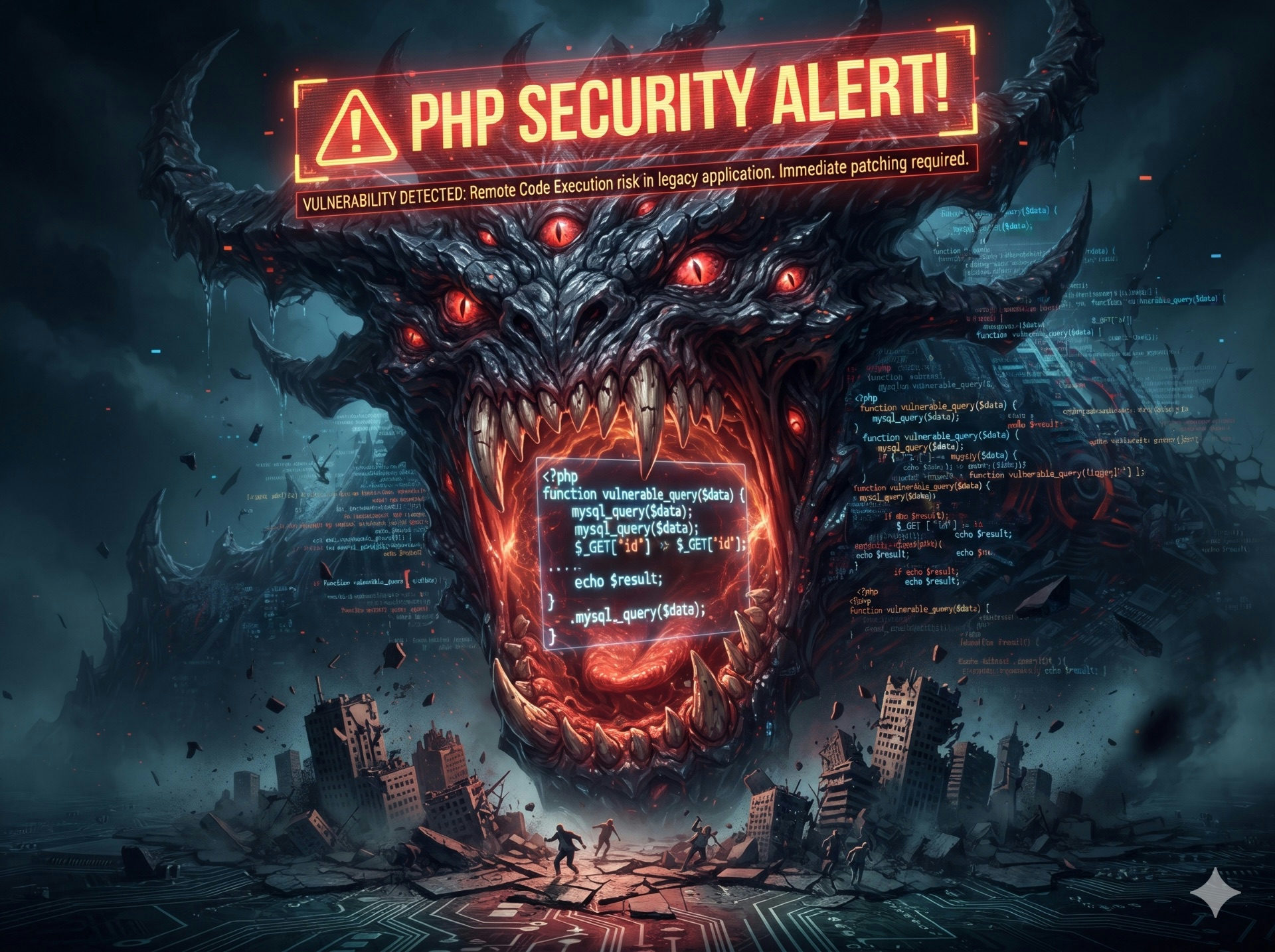
PHP Security Alert: New RCE Vulnerability Raises Fresh Concerns for Web Application Security
PHP RCE Vulnerability 2026: Security & Compliance Guide
Inside a 24/7 SOC: What Actually Happens When a Threat Is Detected
Most organisations rely on digital systems to run their business, with customer data, financial records, internal communication, and operational tools all connected and active online. Securing these systems is not just about installing security software, but about maintaining continuous visibility, following structured processes, and ensuring that someone is always ready to respond. That is the

DPDPA Penalties Explained: How ₹250 Crore Fines Actually Happen
DPDPA penalties usually don’t happen because teams misunderstand the law. They happen because compliance is treated as something that can wait. Most people involved in handling personal data already understand what is expected, and consent must be valid. Data breaches and data protection breaches must be reported on time, and requests from data principals have

The Human Element: Turning Your Biggest Risk into Your First Line of Defense
Despite billions invested in security technology, the human element remains the most common factor in successful cyberattacks. A single click on a phishing link or a reused password can undermine the most sophisticated defenses. But what if we could turn this weakness into a strength? A modern security awareness program goes beyond a once-a-year training

Ransomware Trends Demand Stronger SOC Operations
Ransomware Trends and SOC Readiness | Xyberu
SOC 2 vs ISO 27001: Which Do You Need — and Can You Do Both?
Attestation vs certification, Type I vs Type II, three-year certificates vs annual reports — how to choose between SOC 2 and ISO 27001 by market, and how to run them as one program.
UAE PDPL Compliance Guide: What Organizations Must Do Now
Who the UAE Personal Data Protection Law applies to, what it excludes, the rights and breach duties it creates, and how to prepare while the Executive Regulations are awaited.
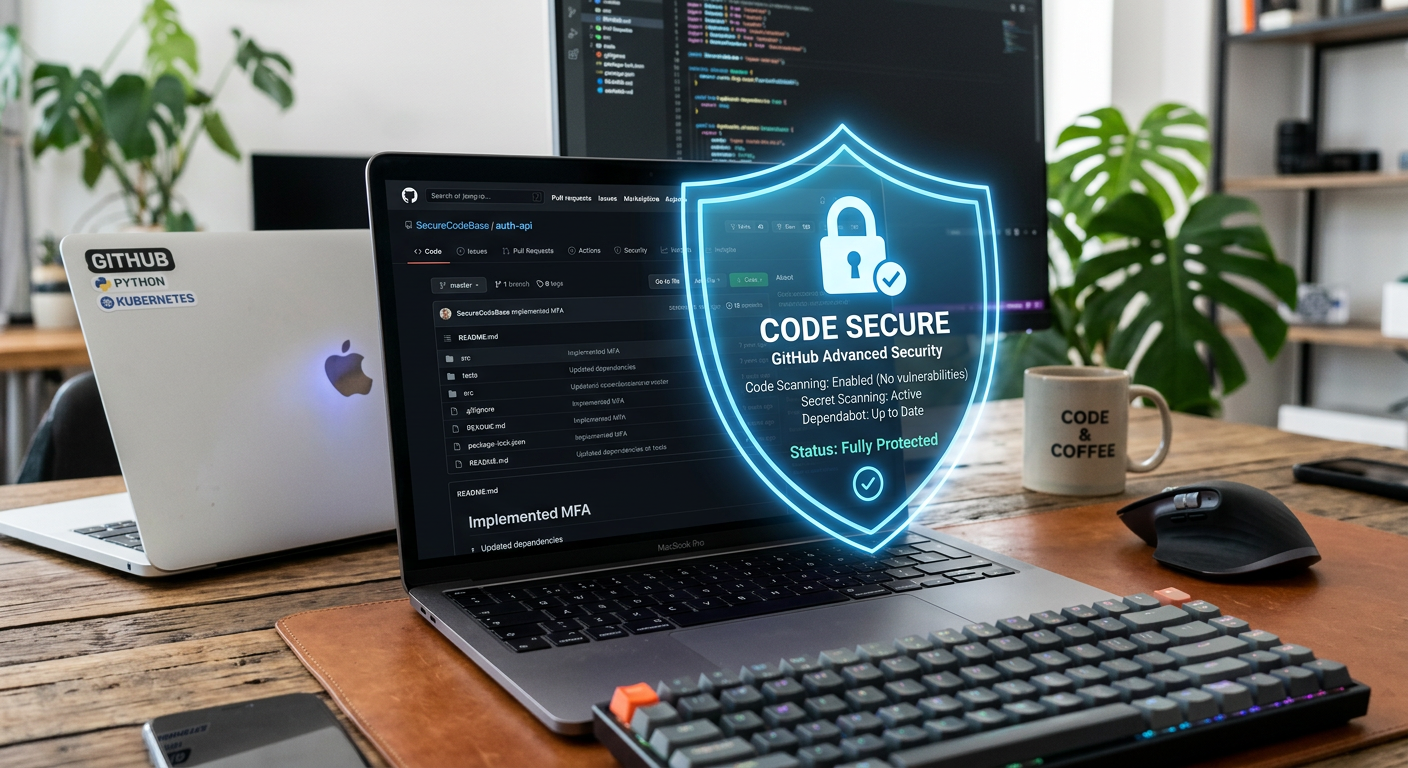
AI Malware Campaigns Target GitHub Repositories
AI Malware Campaigns Target GitHub | Xyberu

AI SOC Slashes Incident Response Time by 70% for Mid‑Market SaaS
Discover how an AI SOC can cut incident response time by 70 papa for mid‑market SaaS firms, driving faster detection and compliance.
7 Red Flags That May Indicate DPDPA Compliance Violations
For CISOs | Compliance Managers | Privacy Leaders | Risk Managers | IT Security Leaders Most DPDPA compliance issues don’t begin with a regulatory notice. They begin with small operational gaps that organizations overlook every day. These gaps rarely announce themselves. They quietly accumulate in how consent is captured, how vendors are managed, and how
DPDPA 2026 and Beyond: What Forward-Thinking Organizations Should Prepare For Now
For CISOs | Privacy Leaders | Compliance Managers | Legal Teams | SaaS Founders India’s Privacy Enforcement Era Is Approaching Many organizations are still treating the Digital Personal Data Protection Act (DPDPA) as a future compliance exercise. That assumption may prove costly. Across every major privacy regime, from GDPR in Europe to evolving privacy frameworks
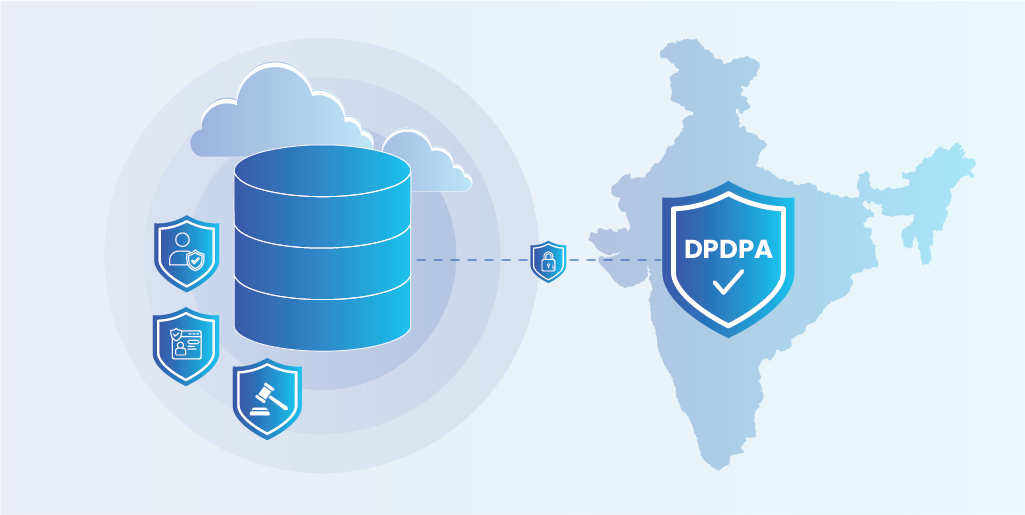
DPDPA Consent Self-Audit: Is Your Consent Mechanism Legally Valid?
“Your website has a cookie banner. Your signup form has a checkbox. Your privacy policy exists. But does that actually mean your consent mechanism is legally valid under DPDPA?” For most organisations operating in India, the answer is probably not, at least not entirely. And that gap between appearing compliant and being compliant is exactly

The Future of Cybersecurity Is Hybrid Intelligence: Not Just AI
AI will not save your enterprise alone. Neither will your analysts. The organizations winning the security battle in 2025 are building something smarter: unified systems where humans, machines, and automation operate as one. This is not a philosophical argument. It is an operational reality that the most mature security organizations are already living. The question

The Lifecycle of Security Operations And Why It Never Ends
A continuous security narrative, how resilient organisations think about protection as an ongoing discipline, not a project. Research benchmarks from IBM, Splunk & Trend Micro · 2025 Security is not something you achieve once and forget, it is something you maintain every day. This idea may sound simple, but it explains why strong organisations treat
What Does Managed Security Actually Mean in 2026?
The Assumption That No Longer Holds For a long time, many organizations have treated managed security services as a straightforward outsourcing decision: hand over monitoring, get alerts, and stay protected. That way of thinking doesn’t really hold up anymore. In 2026, the complexity of modern cybersecurity environments has outgrown the traditional “set it and forget

What Valid Consent Means Under DPDPA (And Why Most Companies Get It Wrong)
Under the Digital Personal Data Protection Act, 2023 (DPDPA), consent is the default legal basis for processing personal data unless a specific legitimate ground applies. For most organizations, that means daily data processing depends on whether consent under the DPDPA is valid. This is often a challenging area for teams, because the law’s bar for
DPDPA Compliance Checklist: What Indian Organizations Must Complete Before May 2027
Most Indian organizations now fall under the Digital Personal Data Protection Act (DPDPA). This is no longer a policy discussion; the law is active, the 2025 Rules are set, and the 18-month implementation clock is ticking toward the final deadline of May 13, 2027.With the first major milestone for Consent Managers arriving this November 2026,
Ransomware Resilience: A Framework for Preparation and Recovery
Ransomware attacks are no longer a matter of ‘if’, but ‘when’. The key to surviving an attack is not just prevention, but resilience. A resilient organization can withstand an attack, contain the damage, and restore operations with minimal disruption. Preparation is the foundation of resilience. This includes robust, offline backups that are tested regularly. It

Zero Trust Architecture: A Practical Guide for the Modern Enterprise
The concept of ‘Zero Trust’ has been a buzzword for years, but many organizations still struggle with its practical implementation. At its core, Zero Trust is simple: never trust, always verify. It means assuming that every user, device, and network is potentially hostile, and that access should be granted on a least-privilege basis. Implementing Zero

Securing Your Multi-Cloud Environment: A Unified Approach
The adoption of multi-cloud strategies has accelerated innovation, but it has also created a complex and fragmented security landscape. Each cloud provider (AWS, Azure, GCP) has its own security model, identity system, and logging format. Managing this complexity is one of the biggest challenges for modern security teams. A unified security approach is essential. This

The Rise of AI in Phishing Attacks: A Deep Dive
Artificial intelligence is no longer science fiction; it’s a tool being actively weaponized by cybercriminals. Recent phishing campaigns demonstrate a significant leap in sophistication, leveraging generative AI to create highly personalized and convincing emails that bypass traditional filters. These AI-driven attacks analyze social media profiles and professional networks to craft bespoke lures. For example, an
LLM Red-Teaming in Production: Threat Models for Enterprise Generative AI Deployments
Adversarial prompt injection, training-data exfiltration, and model supply-chain attacks — threat modeling patterns for security teams.
Threat Hunting at Scale: Building Hypothesis-Driven Programs for Enterprise SOCs
How structured threat hunting programs reduce mean time to detect and surface adversary TTPs that automated tools consistently miss.
Cloud Misconfiguration as Attack Surface: Patterns from 50+ Assessments
The most prevalent misconfiguration classes across AWS, Azure, and GCP, ranked by exploitability and organizational blast radius.
ISO 27001:2022 Annex A Controls: What Changed and How to Map Your Existing ISMS
A structured comparison of the 2013 vs 2022 control sets, with a practical mapping approach for transition planning.
EU AI Act: What High-Risk AI System Operators Must Prepare Before December 2027
Conformity assessment requirements, technical documentation, and human oversight obligations for providers and deployers of high-risk systems.